
Keeping your pool clean in Miami Beach requires more than just skimming the surface. Vacuuming and brushing are key components of pool maintenance that ensure your water stays clear and inviting. Let’s dive into the most effective methods to keep your pool in top shape.
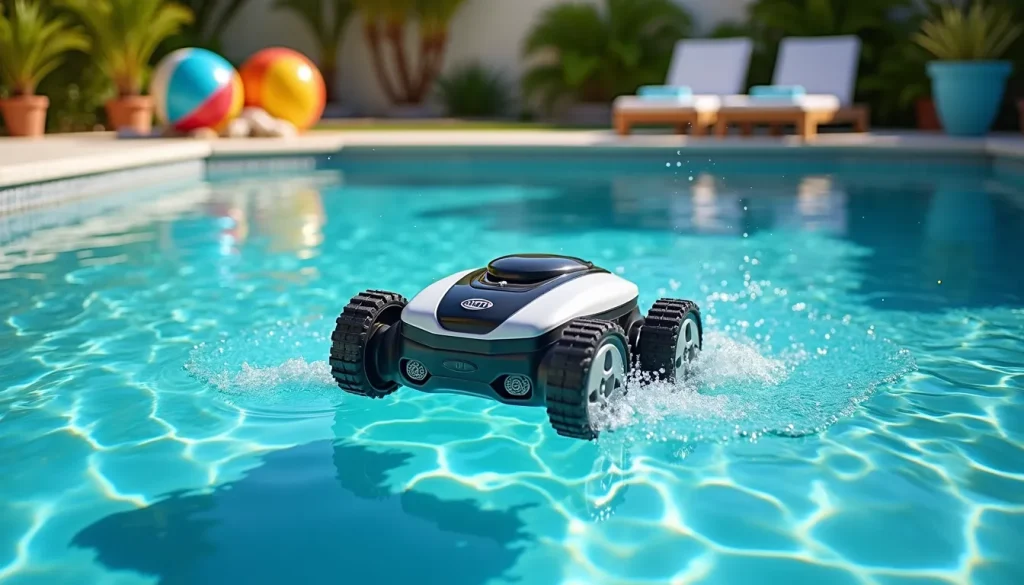
Vacuuming your pool is not just about aesthetics; it’s a critical step in maintaining water quality and protecting your pool’s infrastructure. In Miami Beach, where the warm climate can accelerate algae growth, regular vacuuming becomes even more important.
When you vacuum your pool, you’re not just removing visible debris. You’re also eliminating microscopic particles that can cloud your water and potentially harm your pool’s filtration system. These particles, if left unchecked, can lead to poor water chemistry and create a breeding ground for bacteria.
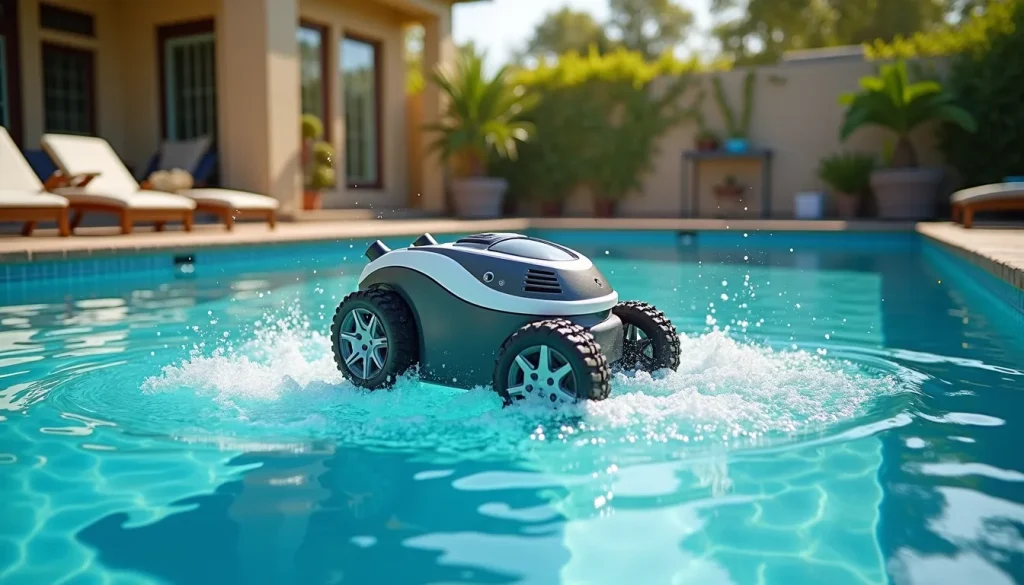
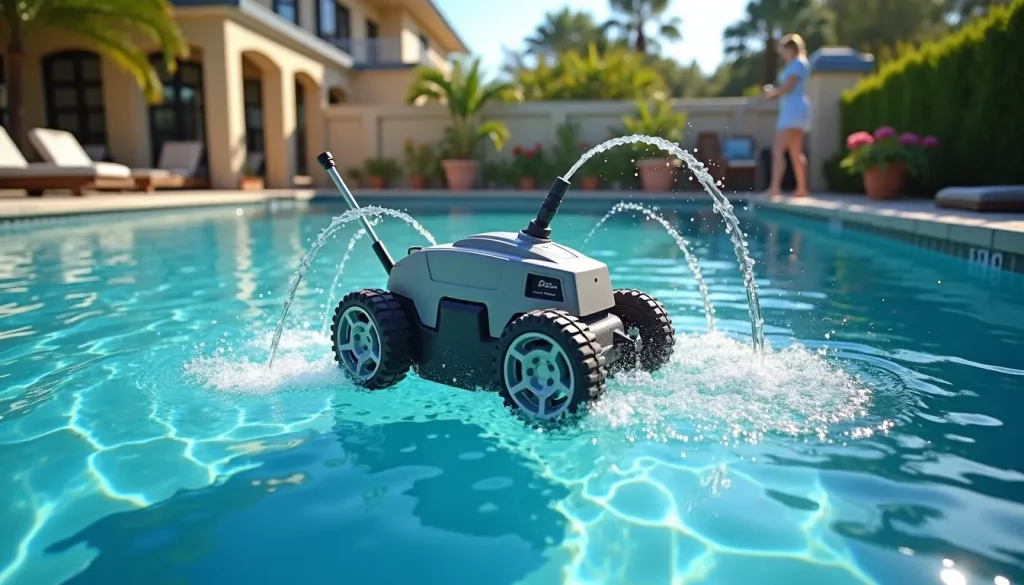
Choosing between manual and automatic vacuums depends on your pool’s specific needs and your available time. Manual vacuums give you control over where you clean, allowing you to target problem areas. Automatic vacuums, on the other hand, offer convenience and can work while you’re away.
Brushing is often overlooked but is equally important as vacuuming. It dislodges debris and potential algae from surfaces where vacuums can’t reach effectively.
The type of brush you use matters. For concrete or gunite pools common in Miami Beach, a stiff-bristled brush is ideal. Vinyl pools require softer bristles to prevent damage. Always use a brush designed specifically for pool cleaning to ensure effectiveness and longevity.
Start at the shallow end and work your way to the deep end. Use firm, overlapping strokes to ensure you cover every inch of the pool’s surface. Pay special attention to corners, steps, and areas around ladders where algae tend to accumulate.
In Miami Beach’s climate, a consistent cleaning routine is crucial. Aim to vacuum your pool at least once a week, and brush the walls and floor twice a week. During periods of heavy use or after storms, you may need to increase this frequency.
Miami Beach’s year-round warm weather means your pool cleaning needs don’t drastically change with seasons. However, you might need to adjust your schedule during hurricane season or when dealing with pollen in the spring.
For those looking to take their pool maintenance to the next level, there are several advanced techniques to consider.
While automatic vacuums are convenient, manual vacuums excel at spot cleaning. Use them to target areas where debris tends to collect, such as steps, corners, and around pool toys.
If you use an automatic vacuum, ensure it’s covering your entire pool efficiently. Adjust its settings or path as needed, and clean out its filters regularly for optimal performance.
Proper water balance not only keeps your pool safe for swimming but also makes cleaning more effective.
Maintaining the right pH level (ideally between 7.2 and 7.6) helps your cleaning efforts. Balanced water prevents scale buildup and makes it easier for vacuums and brushes to do their job.
Adequate chlorine levels help prevent algae growth, making your vacuuming and brushing more effective. In Miami Beach’s sunny climate, using a stabilized chlorine can help maintain consistent levels.
Miami Beach’s unique environment presents specific challenges for pool maintenance.
The warm, humid climate is ideal for algae. Regular brushing, especially in shaded areas of your pool, is crucial for prevention.
Being close to the beach means dealing with sand and salt air. These can affect your pool’s chemistry and filtration system. Regular vacuuming helps remove sand before it can cause problems.
Modern pool technology can make maintenance easier and more efficient.
New robotic cleaners can be controlled via smartphone apps, allowing you to start cleaning even when you’re not home.
Digital water testers can give you instant readings on your pool’s chemistry, helping you maintain optimal conditions for cleaning.
As Miami Beach residents become more environmentally conscious, it’s important to consider the ecological impact of pool maintenance.
Look for biodegradable, phosphate-free cleaning products that won’t harm local ecosystems when water is backwashed.
Efficient cleaning methods can help conserve water. Consider using a pool cover to reduce evaporation and debris accumulation between cleanings.
Even with the best techniques, you might encounter some challenges.
If your vacuum head gets clogged, turn off the pump, clear the obstruction, and restart. Regular maintenance of your vacuum can prevent most clogs.
Poor suction can be caused by a dirty filter, low water levels, or air in the system. Check these factors if your vacuum isn’t performing well.
Your pool’s design can significantly affect how you approach cleaning.
Irregular-shaped pools may require more manual cleaning in hard-to-reach areas. Consider investing in specialized brush attachments for these spots.
Water features, infinity edges, and built-in spas require specific cleaning approaches. Develop a routine that addresses each unique element of your pool.
Proper care of your vacuums and brushes ensures they remain effective and last longer.
Rinse your vacuum head and hose after each use to prevent chemical buildup. Store them out of direct sunlight to prevent UV damage.
Replace brushes when bristles become worn or bent. Clean brushes after use and store them in a cool, dry place.
Getting everyone involved in pool care can make the task easier and more manageable.
Assign different tasks to family members and rotate responsibilities. This not only shares the workload but also teaches valuable skills.
Ensure everyone understands the importance of safety when handling pool chemicals and equipment. Proper training prevents accidents and ensures effective cleaning.
While regular maintenance can be handled by homeowners, there are times when professional help is beneficial.
If you’re consistently struggling with water clarity or experiencing equipment issues, it might be time to call a professional.
Look for licensed and insured professionals with good reviews from local customers. Experience with Miami Beach’s specific pool challenges is a plus.
As technology advances, pool cleaning methods continue to evolve.
Keep an eye out for innovations like UV sanitization systems and AI-powered cleaning robots that could make pool maintenance even easier in the future.
Stay informed about new products and methods. Being open to new technologies can save time and improve the effectiveness of your pool cleaning routine.
Mastering vacuum and brushing methods is key to maintaining a pristine pool in Miami Beach. By understanding the unique challenges of our local environment and implementing a consistent cleaning routine, you can enjoy crystal-clear waters year-round.
Remember, a clean pool is not just about appearance – it’s about creating a safe, healthy, and enjoyable space for you and your family. Book your appointment with us today!
| Cleaning Task | Frequency in Miami Beach | Tools Needed |
|---|---|---|
| Vacuuming | 1-2 times per week | Manual or automatic vacuum, pool pole |
| Brushing | 2-3 times per week | Pool brush, pool pole |
| Water Testing | 2-3 times per week | Test strips or digital tester |
| Filter Cleaning | Every 4-6 weeks | Depending on filter type (sand, DE, cartridge) |
| Common Miami Beach Pool Issues | Prevention Method | Treatment |
|---|---|---|
| Algae Growth | Regular brushing, proper chlorine levels | Shock treatment, algaecide |
| Sand Accumulation | Use of pool cover, regular vacuuming | Manual vacuuming, filter cleaning |
| Salt Air Corrosion | Regular rinsing of pool equipment | Use of corrosion-resistant materials |
By following these guidelines and adapting them to your specific pool and lifestyle, you’ll be well on your way to maintaining a beautiful, clean pool that’s perfect for those hot Miami Beach days.
