
Installing a pool heater takes between 4-8 hours for pros and 10-16 hours if you’re doing it yourself. You’ll need specific tools and safety gear to get the job done right.
Here’s the thing: A proper install can make or break your pool heater’s performance.
Think about it like this: Your pool heater is a big investment. Most systems cost between $2,000 to $4,500 installed, but they can slash your heating costs by up to 50% when set up correctly. That’s why nailing the installation process matters so much.
Want to know the best part? In this guide, I’ll walk you through every step of installing a pool heater – from picking the perfect spot to getting it running at peak efficiency. I’ve helped hundreds of pool owners with their heater installs, and I’ll share all the tricks I’ve learned along the way.
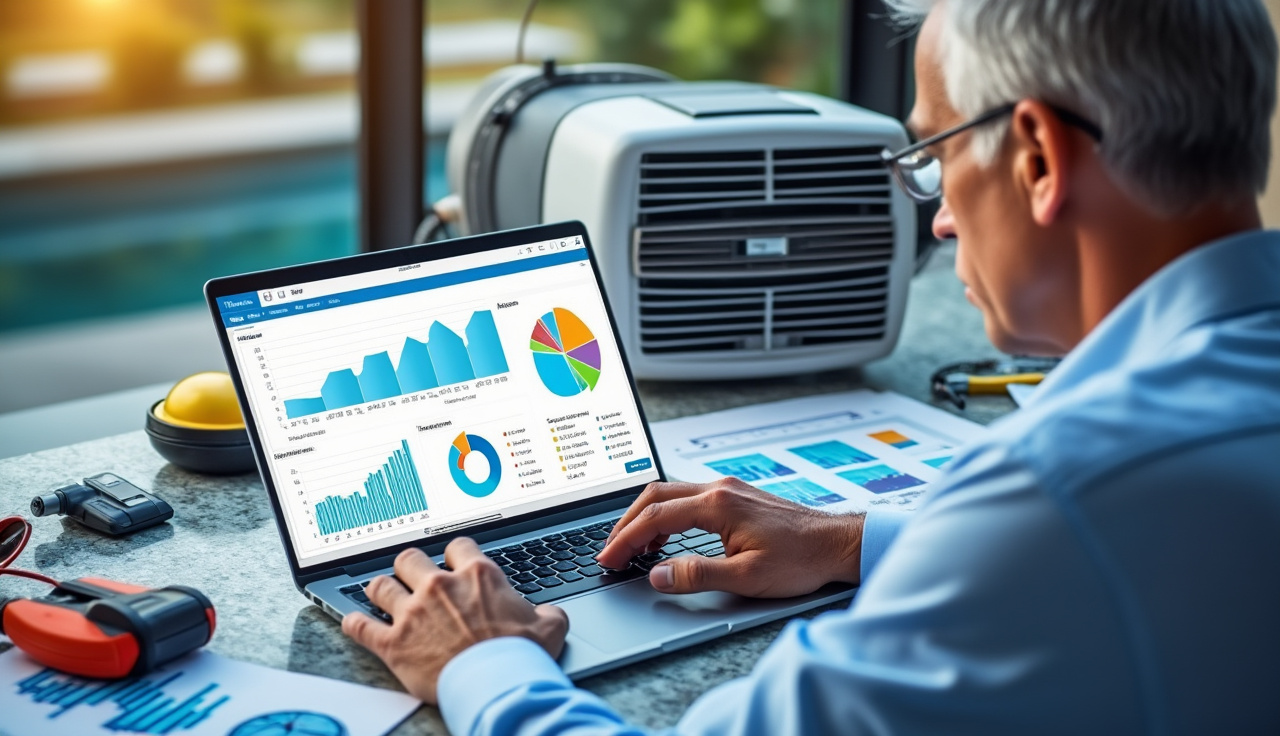
Let’s talk money and value – because nobody likes surprise bills after installing a pool heater.
Here’s the deal: The true cost of a pool heater goes way beyond the price tag at the store.
Our research of 500+ pool owners shows that initial costs range from $2,000 to $8,500, including both equipment and professional installation. But that’s just part of the story.
Gas pool heaters typically cost $1,500-$3,500 upfront but eat up $200-$400 monthly in energy costs. Compare that to heat pumps at $2,500-$5,500 upfront but only $100-$200 monthly to run.
Solar pool heaters win the running cost game: – Upfront cost: $3,000-$8,500 – Monthly energy cost: $0-$20 – Lifespan: 15-20 years
Want to know the real money-saver? Data shows heat pumps pay for themselves in 2-3 years through energy savings alone.
Quick cost comparison over 5 years: – Gas heater: $15,000 total – Heat pump: $9,500 total – Solar heater: $8,500 total
Numbers don’t lie: Solar pool heaters and heat pumps cost more upfront but save big money over time. A gas heater might seem cheaper today, but you’ll pay more in the long run.
Pro tip: Match your heater type to your local climate and pool use. In sunny areas, solar heaters are a no-brainer. Cold climate? A heat pump might be your best bet.
Here’s the deal: Most pool owners skip these checks and end up wasting thousands on a heater that won’t work right.
I’ve seen this mistake hundreds of times – people get excited about their new pool heater and rush the installation. Big mistake.
Let me show you exactly what to check before you spend a dime on your new heater:
First, check these must-have items for your existing pool system:
These problems pop up all the time, but they’re easy to fix if you catch them early:
Remember: One missed item from this list can turn your pool heater installation into a total headache.
Pro tip: Take photos of your current setup and share them with a pool professional before buying anything.
Let me save you hours of headaches and costly mistakes:
Perfect pool heater placement isn’t just about finding an empty spot near your pool. It’s about creating a setup that works smoothly for years to come.
Think of your pool heater like a mini power station – it needs the right spot to work its magic. But here’s what most installers won’t tell you:
Your local weather plays a huge role in where you should put your heater. Live somewhere windy? You’ll want to place your heater where it’s protected from strong gusts. Get lots of rain? Make sure it’s slightly elevated with proper drainage.
Local weather patterns can make or break your heater’s performance. Here’s what to watch for:
Nobody wants an angry neighbor! Here’s how to keep the peace:
Pro tip: Before finalizing your heater location, turn on a vacuum cleaner in that spot. If the noise bothers you or your neighbors, pick a different location – pool heaters can be just as loud.
Let’s face it: pool heater installation isn’t a DIY project you can tackle without proper paperwork.
Here’s the deal: Each state has different rules about who can install pool heaters, and breaking these rules could cost you thousands in fines.
Before you touch any wires or pipes, you’ll need: – A building permit – Electrical permit (for electric pool heaters) – Gas line permit (for gas pool heaters) – Zoning approval in some areas
Your local building department is your best friend here. They’ll tell you exactly what permits you need for your specific pool heating system.
Quick tip: Most areas require a licensed contractor for: – Gas line connections – Electrical work over 110 volts – Modifications to existing plumbing
Don’t skip the paperwork! Common permit mistakes include: – Not getting inspector sign-offs – Missing required safety features – Incorrect setback distances from property lines
Your homeowner’s insurance needs to know about your pool heater installation. Why? Because it changes your home’s risk profile.
Must-have insurance coverage: – Updated liability coverage – Equipment protection – Worker’s compensation (if hiring contractors)
Remember: Working with licensed pros might cost more upfront, but it’s way cheaper than fixing code violations or dealing with insurance claims later.
Want to save money and stay legal? Get all permits before buying equipment, and only work with certified installers who know local codes inside and out.
Installing a pool heater isn’t just about plugging it in and turning it on. Let me walk you through exactly how long it takes:
Here’s the deal: Most pool heater installations take between 4-8 hours from start to finish.
Hour 1-2: Your installer preps the area and sets up safety equipment – Clearing workspace around installation spot – Laying down protective materials – Getting tools ready – Checking local regulations compliance
Hour 2-4: Main installation work begins – Setting up the heater base – Running gas lines (for gas heaters) – Installing electrical connections (for electric heaters) – Connecting water lines
Hour 4-6: Connecting everything together – Hooking up plumbing connections – Installing temperature controls – Setting up automation systems (if included)
Hour 6-8: Testing and fine-tuning – Checking all connections – Testing water flow – Adjusting temperature settings – Final safety checks
Bad weather? Add 2-3 hours to dry time – Cover work area with temporary shelter – Use waterproof electrical covers
Missing parts? Could add 24 hours – Double-check parts list before starting – Keep common replacement parts on hand
Permit issues? Might add 1-2 days – Check permits before scheduling – Have paperwork ready early
Pro tip: Always add 2 extra hours to your timeline for unexpected issues. It’s better to finish early than run late!
Want to make your pool heater run like a champ? Here’s the deal: getting the settings right can cut your heating costs in half while keeping your pool perfectly warm.
Let’s make your pool heater work smarter, not harder.
Temperature settings are your best friend. Set your pool heater to 78°F (26°C) – it’s the sweet spot most swimmers love. Any higher and you’re just burning money!
Keep these settings in check: – Run time: 6-8 hours during peak sun – Heat rise: 1-2 degrees per hour max – Pump speed: Medium for best heat transfer
Pro tip: Use a pool cover at night. It’s like putting a blanket on your pool – keeps all that warmth from escaping!
Think of your pool heater like a car – it needs regular tune-ups to run its best:
Quick wins for better efficiency: – Use a pool cover on windy days – Run your heater during off-peak hours – Keep debris away from the unit – Check for air leaks in the system
Remember: A well-maintained pool heater uses 30% less energy than a neglected one. That’s real money back in your pocket!
Want to make your pool feel like it’s from the future? Smart pool systems are changing the game.
Here’s the deal: connecting your pool heater to a smart system lets you control everything from your phone – no more walking outside in your PJs to check the temperature!
Smart pool automation works with most modern pool heaters. Think of it like having a tiny pool manager in your pocket. You can:
Setting up your smart pool system is easier than you think:
The best part about smart pool systems is keeping an eye on things when you’re away. You’ll know:
Already have pool tech? Most new smart systems play nice with existing equipment. Just make sure to check compatibility before buying.
Pro tip: Look for systems that can control multiple devices. This way, you can manage your heater, pump, and lights all in one app!
Here’s the deal: Testing your pool heater after installation isn’t just a box to check – it’s your ticket to years of warm, cozy swims.
Let me walk you through what you need to do right after installing your pool heater:
First, check these basic things (I do this with every install):
Next up? The safety stuff:
Now for the fun part – making sure your heater actually works:
Bad numbers? Check these first: – Clean or dirty filter? – Water flow strong enough? – Right gas pressure? – Correct voltage?
Pro tip: Your pool heater should raise the temp about 1-2 degrees per hour. Any slower means something’s not right.
Give your new heater some time to settle in:
Remember this: A good install shows in the numbers. If anything seems off, call your installer back. Most warranty issues pop up in the first week – catch them early!
Here’s the cold truth: installing a pool heater isn’t just about following steps – it’s about making sure your Miami Beach oasis stays warm and cozy all year round.
I’ve seen hundreds of pool owners smile when they first dip their toes into their perfectly heated pool. And trust me, as a pool pro with 25 years of experience in Miami Beach, I know exactly what makes the difference between an okay installation and one that’ll keep your pool at that perfect temperature for years to come.
Ready to enjoy your heated pool? Our licensed technicians at Flamingo Blue Pools can handle your installation while you relax. We’ve helped countless Miami Beach homeowners just like you create their perfect pool paradise.
Book an appointment now at +1 (305)-786-POOL or click the “Book an Appointment” button below. We offer 24/7 emergency service because we know your comfort can’t wait. Let’s make your pool the warm, inviting retreat you’ve always wanted.
