Water Quality Management: Local Regulations and Best Practices for Chemical Balance

Anas Naami

Table Of Contents

Ensure crystal-clear water with effective water quality management. Balance chemicals, monitor pH levels, and maintain proper filtration to keep your pool safe, clean, and enjoyable.

Water quality is important for health and safety, especially in places like Miami Beach. You want your pool water to be clean and safe for family and friends. Understanding local regulations and best practices helps you keep your pool in great shape.

This article will explain how to manage water quality effectively.

Key Takeaways

  • Water quality is key for pool safety and enjoyment.
  • Follow local regulations to keep pool water safe.
  • Regular testing of water helps maintain the right chemical balance.
  • Best practices include proper cleaning, chemical use, and maintenance.
  • Miami Beach has unique challenges due to weather and environment.

For more information on keeping your pool clean and safe, check out our page on pool cleaning services.

Understanding Water Quality Management

Water quality is about how clean and safe your pool water is. It affects how you use your pool. Clean water is safe for swimming while dirty water can cause health issues. Keeping track of water quality means checking for germs, chemicals, and other harmful substances.
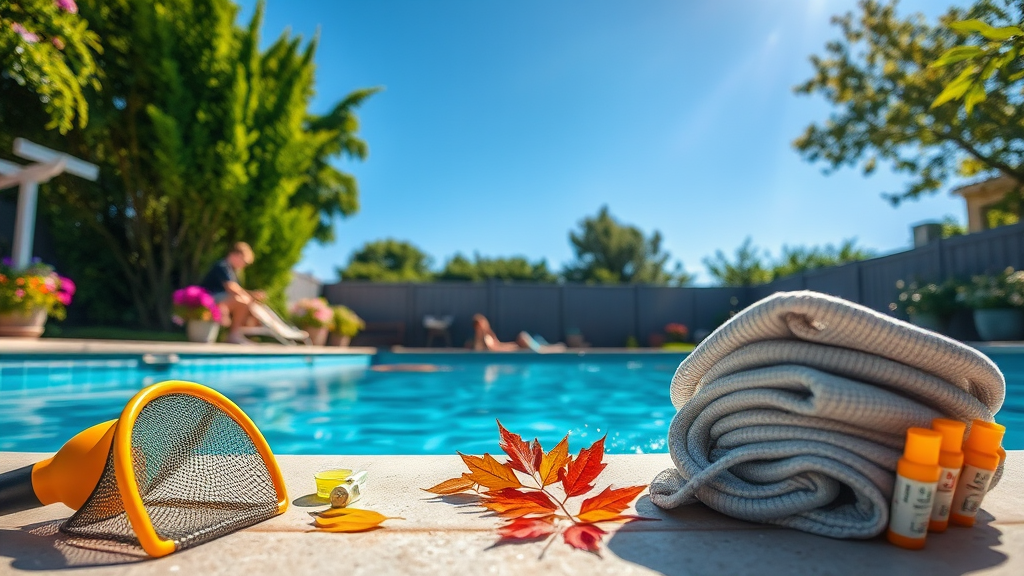
water quality management

Why Is Water Quality Important?

Poor water quality can lead to problems like skin rashes, eye irritation, and other health risks. You want your pool to be a fun place, not a place where people get sick. Regular testing helps ensure the water is safe and clean.

Local Regulations to Consider

In Miami Beach, specific rules guide pool owners. These laws are designed to keep people safe. They cover how to treat and test pool water. Here are some key regulations you should know:

  • Chlorine Levels: The local health department recommends keeping free chlorine levels between 1 and 3 parts per million (ppm).
  • pH Levels: The ideal pH level for pool water is between 7.2 and 7.8. This range keeps the water comfortable for swimming and helps chemicals work better.
  • Regular Inspections: Local laws may require regular inspections of pools to ensure they meet safety standards.
  • Chemical Storage: Chemicals used for treating water must be stored safely and correctly to prevent accidents.
Regulation TypeRecommended LevelsPurpose
Chlorine Levels1 – 3 ppmDisinfects water and eliminates germs
pH Levels7.2 – 7.8Ensures swimmer comfort and chemical efficiency
Alkalinity80 – 120 ppmStabilizes pH levels
Calcium Hardness200 – 400 ppmPrevents corrosion and scaling

Best Practices for Chemical Balance

Keeping the right chemical balance in your pool is crucial. Here are some best practices to help you manage water quality effectively.

Regular Testing

Testing your pool water is key. You should test your water at least once a week. You can use test strips or a testing kit. Here’s what to check:

  • Chlorine: Make sure your chlorine levels are safe.
  • pH: Keep the pH levels balanced.
  • Alkalinity: This helps stabilize pH levels.
  • Calcium Hardness: This keeps the water from being too hard or too soft.

Proper Chemical Use

Using chemicals correctly is very important. Always follow the instructions on chemical labels. Here are some tips:
  • Add Chemicals Slowly: When adding chemicals, do it slowly to avoid dangerous reactions.
  • Use the Right Amount: Too much or too little can cause problems. Measure carefully.
  • Shock the Pool: Shocking your pool helps remove harmful substances like chloramines.
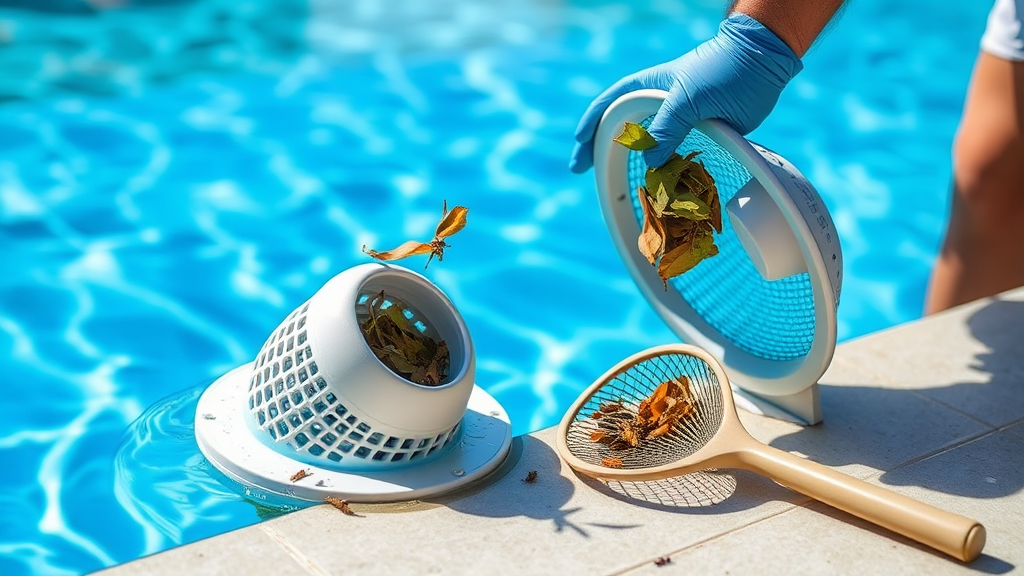
regular pool cleaning to regulate proper water quality management

Clean Your Pool Regularly

Cleaning your pool is part of keeping the water safe. Here are some cleaning tips:

  • Skim the Surface: Use a skimmer to remove leaves and debris.
  • Brush the Walls: Brush the sides and bottom of the pool to remove dirt.
  • Vacuum the Pool: Regular vacuuming helps keep the water clear.

List of Common Pool Chemicals

  • Chlorine: Kills bacteria and disinfects pool water.
  • Algaecide: Prevents algae growth.
  • pH Balancers: Adjusts the pH levels of the water.
  • Clarifiers: Helps clear cloudy water by clumping particles together.

Maintain Your Pool Equipment

Your pool equipment helps keep the water clean. Regular maintenance is necessary. Here are some tips:

  • Check Your Filter: Clean or replace filters as needed.
  • Inspect Pumps: Make sure your pool pump is working properly.
  • Check Heaters: Maintain pool heaters to ensure they work well.

Challenges Specific to Miami Beach

Living in Miami Beach presents unique challenges for pool owners. The weather and environment can affect water quality.

High Temperatures

Miami Beach has warm weather, which can increase algae growth in pools. Regular testing and cleaning become even more important during hot months.

Rainfall and Debris

Heavy rains can introduce dirt and chemicals into your pool. After a rainstorm, check your water quality. You may need to clean and balance your chemicals more often.

Local Wildlife

Being near the beach means more wildlife. Birds and insects can leave debris in your pool. Regular skimming and cleaning help minimize this issue.

The Importance of Professional Help

Sometimes, it’s best to call in a professional. They have the tools and knowledge to manage water quality effectively.

What to Look for in a Pool Service

When hiring a pool service, consider these things:

  • Experience: Choose a company with a good reputation and experience in the area.
  • Licensing: Make sure they are licensed to work in Miami Beach.
  • Services Offered: Look for services that include regular maintenance, chemical balancing, and repairs.

Benefits of Regular Professional Service

Using professional services can save you time and stress. They can:

  • Identify Issues Early: Professionals can spot problems before they become costly.
  • Keep Your Water Safe: Regular visits help ensure your pool water stays clean and safe.
  • Provide Peace of Mind: You can enjoy your pool without worrying about water quality.

For professional help with pool maintenance, consider reaching out to our experienced team for pool maintenance services.

Service TypeFrequencyBenefits
Water TestingWeeklyEnsures safe swimming conditions
Chemical BalancingBi-weeklyMaintains optimal chemical levels
CleaningWeeklyPrevents debris accumulation
Equipment InspectionMonthlyProlongs the life of pool equipment
professional pool cleaners

Conclusion

Managing water quality is essential for enjoying your pool safely. Understanding local regulations and following best practices ensures your pool water is clean and safe. Regular testing, proper chemical use, and professional help are key to maintaining your pool. By taking these steps, you can keep your pool a safe and fun place for everyone.

For all your pool needs, remember to reach out to Flamingo Blue Pools. With 25 years of experience in Miami Beach, we can help you keep your pool in top shape. Book an appointment today and enjoy your pool worry-free!

Leave a Reply

Your email address will not be published. Required fields are marked *

Meet Edwin and get a
Free Cleaning

Flamingo Blue Pools is the Safe, Reliable, Professional, Trustworthy, and
Easy choice for all your pool cleaning, chemical, and repair needs.
25 years of Pool Service excellence in Miami Beach
Flamingo Blue Pools is the Safe, Reliable, Professional, Trustworthy, and Easy choice for all your pool cleaning, chemical, and repair needs.

About Designer

The Designer's Avatar
Our website’s captivating design and illustrations are crafted by Mariia Sosnovska, a talented artist from Ukraine. Inspired by the Miami art movement, Mariia has transformed the real world of Flamingo Blue Pools into a vibrant illustration universe, all based on real-life elements.
© 2024 Flamingo Blue Pools. All Rights Reserved

To book an appointment enter your Zip Code

Please note: We only provide service within Miami Beach. If your zipcode is not in this list, unfortunately, we cannot serve your location at this time.