
As fall rolls in, it’s time to think about Fall Pool Winterization. This process helps protect your pool from damage during the colder months. Here, you’ll learn everything you need to know about keeping your pool safe and sound this Fall Pool Winterization.
| Season | Average Temperature | Recommended Pool Care |
|---|---|---|
| Fall | 65-80°F | Begin winterization |
| Winter | 50-65°F | Monitor water level |
| Spring | 60-80°F | Prepare for reopening |
| Summer | 75-95°F | Regular maintenance and cleaning |
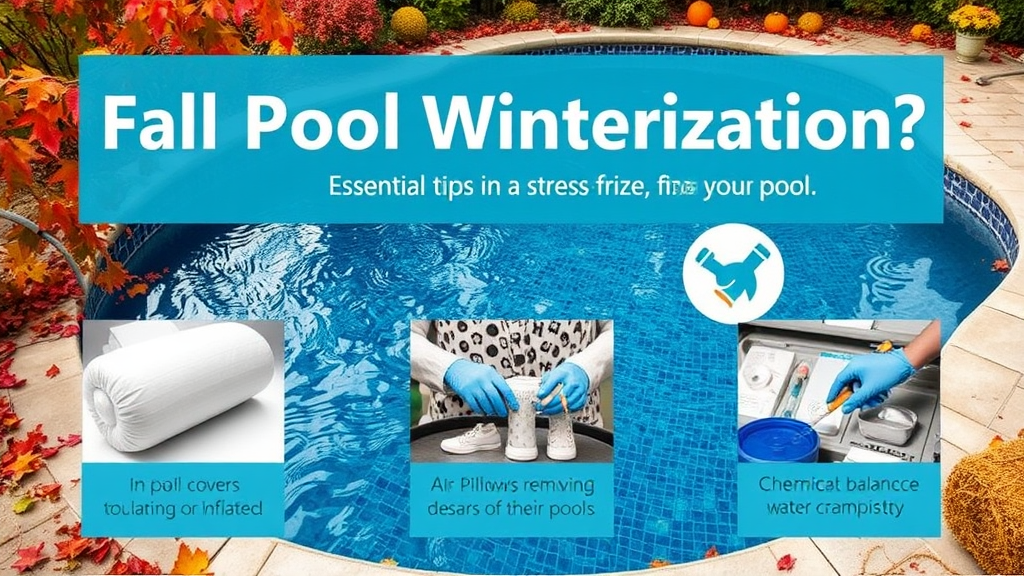
Winterizing is important in places like Miami Beach, where temperatures can drop at night. If you leave your pool without winter care, cold weather can cause pipes to freeze and crack. This can lead to costly repairs.
You want your pool to be in great shape when the warm weather comes back. Fall Pool Winterization keeps it safe from dirt, leaves, and other debris. It also ensures that your pool equipment runs well next season.
In Miami Beach, the best time to winterize your pool is late fall. This is usually around late October to early November. It’s before the colder weather kicks in. Watch the temperatures. If nights begin to dip, it’s time to start the winterization process.
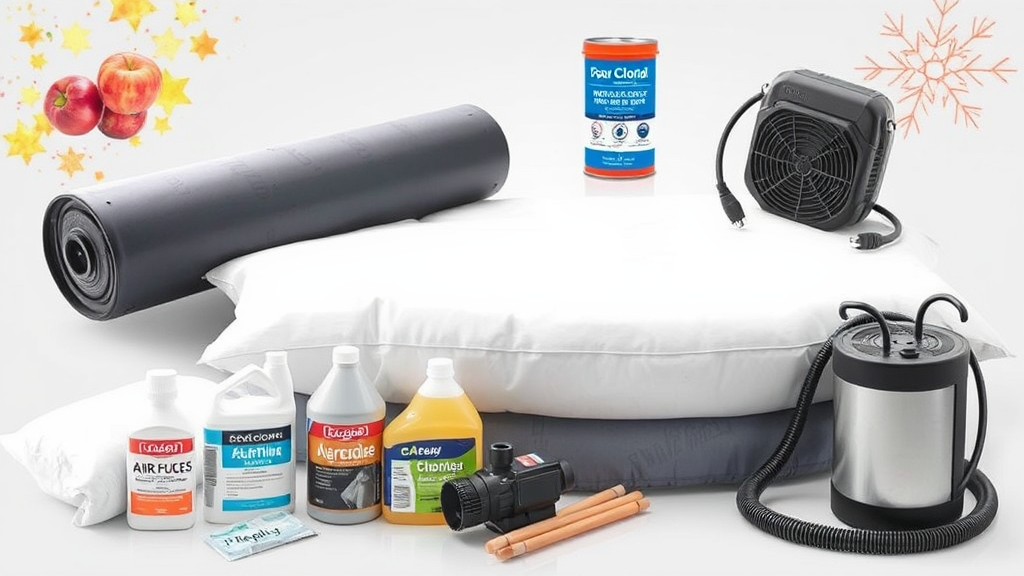
Before getting started, gather your tools and supplies. Here’s a simple list:
Having everything ready helps make the job easier.
| Tool/Supply | Purpose | Notes |
|---|---|---|
| Pool Brush | Scrub walls and floor | Use with appropriate cleaner |
| Skimmer Net | Remove debris from the surface | Essential for pool cleanliness |
| Water Testing Kit | Measure chemical levels | Crucial for water balance |
| Winterizing Chemicals | Prevent algae and maintain water clarity | Follow manufacturer instructions |
Now, let’s jump into how to winterize your pool step by step. Follow these easy steps to keep your pool protected.
Start by taking out anything in or around your pool. This includes toys, floats, and ladders. Store these items in a dry place. It helps them last longer.
Next, give your pool a deep clean. Use your pool brush to scrub the walls and floor. Then, use the vacuum to clean up any dirt or debris. Make sure to clean out the Skimmer and Pump Baskets too.
A clean pool is easier to winterize and keeps algae from growing during the off-season.
Before closing up your pool, check the Water Chemistry. Use your water testing kit to measure the pH, alkalinity, and chlorine levels.
If the levels are not right, add the necessary chemicals to fix them. This keeps the water balanced and protects the pool surfaces.
Next, lower the water level in your pool. This should be below the skimmer. Removing some water prevents freezing and helps with drainage.
Be careful not to drain too much water, especially in areas with high water tables. You don’t want your pool to float.
After that, it’s time to drain all the pool equipment. This includes the pump, filter, and heater. Disconnect any hoses and store them away from the cold.
Make sure to remove any water from the lines to prevent freezing.
Now, add your winterizing chemicals. These are designed to keep the water clean and prevent algae growth. Follow the instructions on the package for the right amounts.
This step is key to keeping your pool clear until spring.
Once everything is clean and treated, it’s time to Cover the Pool. Use a winter cover that fits snugly. Make sure it’s secure. This prevents debris from getting inside and keeps your pool safe.
You can also use an air pillow under the cover. This helps with drainage and keeps the cover from sagging.
If you have an air pillow, place it under the cover. It helps to create a slope for rainwater or snow. This keeps the cover from sagging and makes it easier to remove when spring comes.
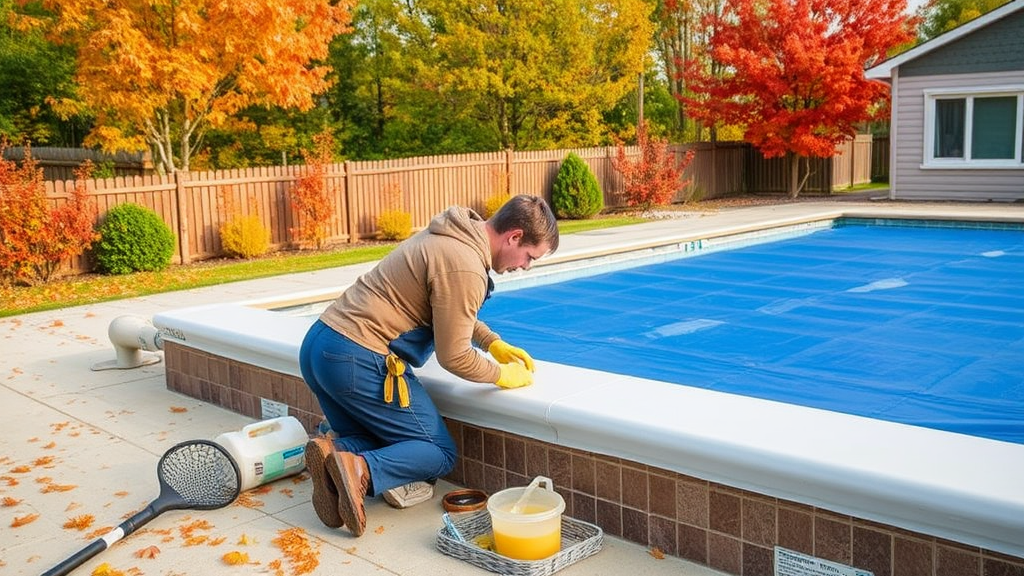
While winterizing, some common mistakes can lead to trouble. Here are a few to watch out for:
You might think a quick rinse is enough. However, skipping the cleaning can lead to dirt buildup. This can cause problems when you reopen your pool in the spring.
Failing to balance the water can cause stains and damage to the pool’s surface. Always test and adjust the water before winterizing.
Always disconnect and drain your equipment. Leaving it connected can lead to freezing and breakage.
Make sure you use a cover that fits well. A loose cover may allow leaves and dirt to get in. A well-fitted cover protects your pool better.
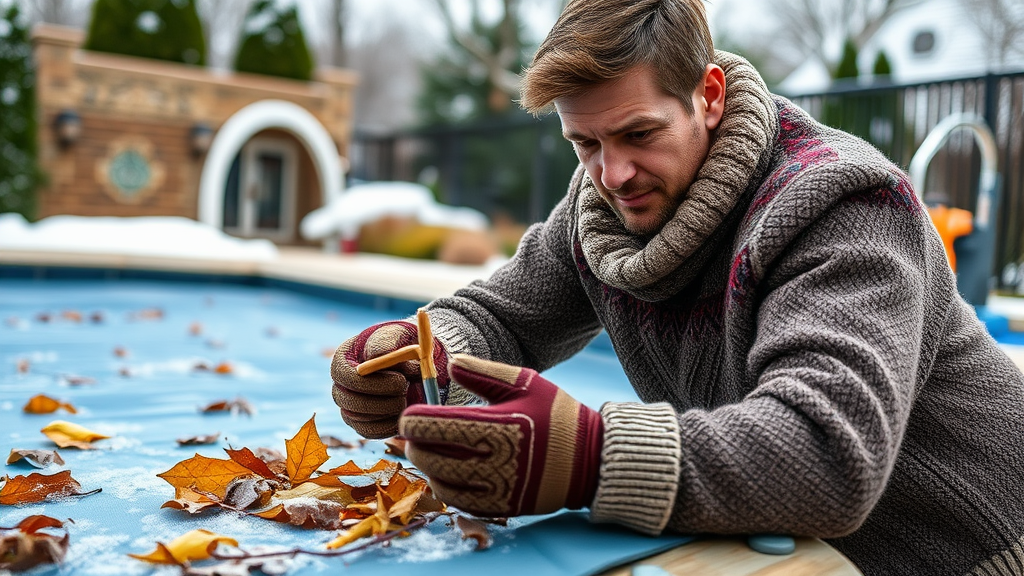
Even with good winterizing, problems can still happen. Here are some common issues and how to fix them.
If you notice damage to your pool cover, fix it right away. A torn cover can let debris in. This can make a mess of your pool.
If you see algae or green water when opening your pool, don’t worry. You can treat it with the right chemicals. Shock the pool and run the pump to clear it up.
Check your equipment when you reopen. If something seems broken or not working, call a professional. They can help you fix it.
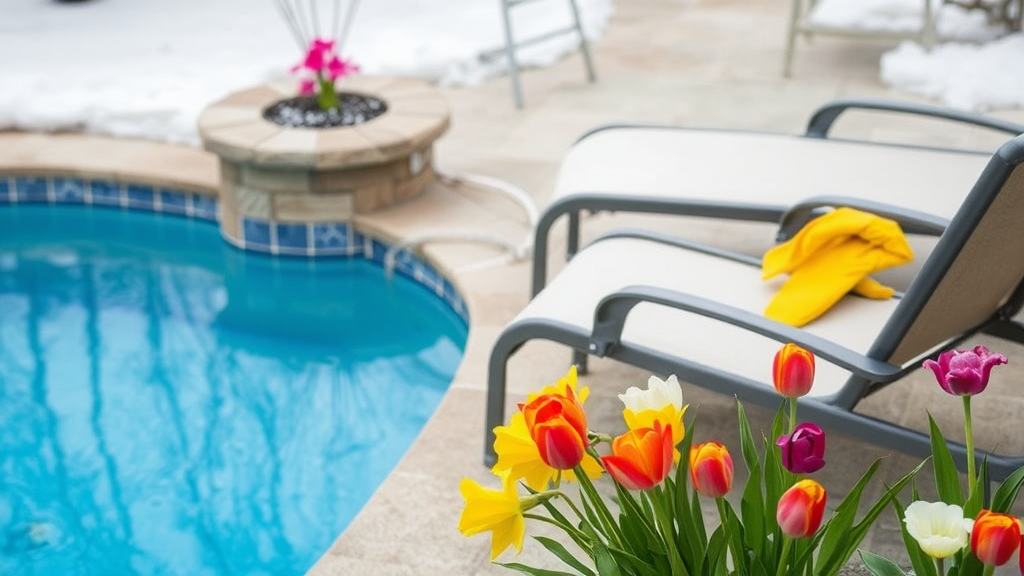
As winter ends, you’ll want to prepare to reopen your pool. Spring Pool Opening, Here’s a quick list of what to do:
Taking these steps will help ensure your pool is ready for the sunny days ahead.
Fall Pool Winterization is a key step during the fall. It keeps your pool safe and saves you money on repairs.
Remember to follow each step carefully. If you ever feel unsure, reach out to Flamingo Blue Pools for help. Our team has over 25 years of experience in Miami Beach. We are here to make sure your pool is ready for any season.
By Fall Pool Winterization now, you’ll be ready to enjoy your pool once the warm weather returns. Don’t wait—start your winterization today! (Here some reference for Winterize an In-Ground Pool)
If you have any questions or need help with your pool, feel free to contact us. We’re here to help keep your pool clean, safe, and ready for fun.
Book an appointment today with Flamingo Blue Pools!
Learn more about pool maintenance and care
