
Need help with pool heater troubleshooting and fixes? Get your pool back to perfect temperature fast! Expert fixes available now. Call us today!
Pool heaters can stop working for various reasons, leaving Miami Beach swimmers in chilly waters. This guide offers practical solutions for common pool heater problems, helping you get back to enjoying your warm pool quickly.

Pool heaters are essential for year-round swimming in Miami Beach. They come in different types, including gas, electric, and solar models. Each type has its own set of potential issues, but some troubleshooting steps are universal.
Gas heaters are popular in Miami Beach due to their quick heating ability. Electric heat pumps are energy-efficient options that work well in our warm climate. Solar heaters take advantage of Miami’s abundant sunshine but may need backup during cloudy periods.
Before diving into specific problems, perform these basic checks:
These simple steps can often resolve minor issues without further troubleshooting.
One of the most common reasons for a pool heater to stop working is a power supply issue. In Miami Beach, where tropical storms can affect electrical systems, this is a frequent problem.
Locate your home’s circuit breaker panel and find the switch for the pool heater. If it’s tripped, reset it. If it trips again immediately, there may be a more serious electrical issue requiring professional attention.
For electric heaters, check the power cord for any visible damage. Ensure all connections are tight and free from corrosion, which can be common in our salty air.
Proper water flow is crucial for pool heaters to function correctly. In Miami Beach, where pools see heavy use, water flow problems can develop quickly.
A dirty filter can restrict water flow, causing the heater to shut off. Clean or backwash your filter according to the manufacturer’s instructions.
Look for any debris blocking the skimmer or pump basket. Remove any obstructions to ensure smooth water flow through the heater.
For gas heaters, issues with the gas supply can prevent proper operation. This is less common in newer Miami Beach homes but can still occur.
Make sure the gas valve to the heater is fully open. Sometimes, valves can be accidentally closed during pool maintenance.
If you smell gas near your pool heater, immediately turn off the gas supply and call a professional. Gas leaks are serious safety hazards.

Sometimes, the problem isn’t with the heater itself but with how it’s being controlled.
Check that the thermostat is set to the desired temperature. In Miami Beach’s climate, a setting of 78-82°F is typically comfortable for swimming.
Over time, temperature sensors can become inaccurate. If your pool doesn’t feel as warm as the thermostat indicates, the sensor may need calibration.
For electric heaters, issues with the heating element can prevent proper warming.
Signs of a faulty heating element include the heater running but not warming the water, or the water heating unevenly.
While replacing a heating element is a job best left to professionals, understanding the process can help you communicate with your service technician.
Gas heaters can experience problems with ignition or burners, preventing them from heating the water.
Burners can become clogged with debris or corroded by salt air. Regular cleaning can prevent many ignition problems.
Modern pool heaters use electronic ignition systems. If you hear clicking but the burner doesn’t light, there may be an issue with the ignition system.
Pressure switches ensure that water is flowing through the heater before allowing it to operate.
A malfunctioning pressure switch can prevent the heater from turning on. Testing requires a multimeter and some electrical knowledge.
Sometimes, pressure switches need adjustment to account for changes in your pool system. In other cases, they may need replacement.
The heat exchanger is where the magic happens in your pool heater, transferring heat to the pool water.
Leaks in the heat exchanger can lead to poor heating performance and potentially dangerous situations with gas heaters.
In Miami Beach’s hard water, scale can build up in the heat exchanger, reducing efficiency. Regular descaling can prevent this issue.
Regular maintenance can prevent many pool heater problems before they start.
Create a maintenance schedule that includes cleaning, inspecting, and servicing your pool heater at the start and end of peak swimming season.
While many troubleshooting steps can be done by homeowners, annual professional service can catch potential problems early.
Some pool heater issues require professional attention. Know when it’s time to call in the experts.
If you notice unusual noises, smells, or see any damage to the heater, it’s time to call a professional.
Look for licensed and insured pool service companies with good reviews from other Miami Beach residents.
Improving your pool heater’s efficiency can save money and reduce environmental impact.
Newer pool heaters are often more energy-efficient. Consider upgrading if your current heater is more than 10 years old.
A pool cover can significantly reduce heat loss, especially during Miami’s occasional cool spells.
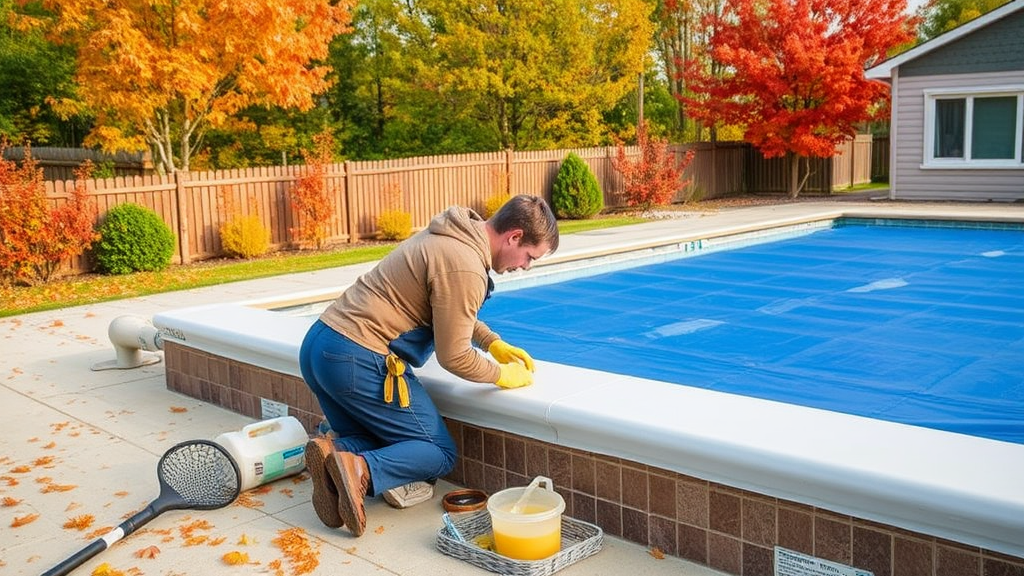
Safety should always be a top priority when dealing with pool heaters.
Always turn off the gas supply before attempting any maintenance on a gas heater.
Turn off power to electric heaters at the circuit breaker before inspecting or servicing them.
Use these checklists to systematically address common pool heater issues:
| Problem | Possible Cause | Solution |
|---|---|---|
| Heater won’t turn on | Power issue | Check breakers and connections |
| Water not heating | Low water flow | Clean filter, check for blockages |
| Inconsistent heating | Thermostat problem | Calibrate or replace thermostat |
| Strange noises | Debris in system | Clean and inspect heater components |
| Short cycling | Pressure switch issue | Adjust or replace pressure switch |
| Season | Maintenance Task | Benefit |
|---|---|---|
| Spring | General inspection | Prepare for peak season |
| Summer | Monitor performance | Ensure efficiency during high use |
| Fall | Clean and service | Prepare for occasional use |
| Winter | Cover and protect | Prevent damage during cooler months |
By following these troubleshooting steps and maintenance tips, Miami Beach pool owners can keep their heaters running smoothly year-round. Remember, when in doubt, it’s always best to consult with a professional to ensure your pool heater is operating safely and efficiently.
