
In the sunny paradise of Miami Beach, a sparkling clean pool is more than just a luxury—it’s a necessity. The warm climate and frequent use make regular pool vacuuming and brushing critical for maintaining a healthy swimming environment. These tasks remove debris, prevent algae growth, and keep your pool water crystal clear.
Miami Beach’s unique environment presents specific challenges for pool owners. The city’s proximity to the ocean means salt air can affect pool chemistry. Frequent rain and wind can introduce extra debris. Understanding these local factors is key to developing an effective cleaning routine.
To get started, you’ll need the right equipment. For vacuuming, a telescopic pole, vacuum head, and hose are must-haves. When it comes to brushing, a sturdy pool brush with nylon bristles works well for most surfaces. In Miami Beach, where pools see heavy use, investing in quality tools can make a big difference in cleaning efficiency.
Vacuuming your pool isn’t just about running the vacuum head over the bottom. It’s a skill that improves with practice. Start by slowly moving the vacuum in overlapping lines, similar to mowing a lawn. This methodical approach ensures you don’t miss any spots.
Sand is a common issue in Miami Beach pools. When vacuuming sand, move even more slowly to allow the vacuum to pick up the fine particles. You might need to go over sandy areas multiple times for thorough cleaning.
After a Miami storm, your pool might need extra attention. Be prepared to vacuum more thoroughly, as storms can blow in leaves, twigs, and other debris.

Brushing is equally important as vacuuming. It dislodges algae and prevents buildup on pool surfaces. Start at the shallow end and work your way to the deep end, using firm, sweeping strokes.
Pay extra attention to corners, steps, and around ladders. These areas are prone to algae growth, especially in Miami’s warm climate. Regular brushing here can prevent bigger problems down the line.
Don’t forget the walls! Brushing pool walls prevents algae and scale buildup. In Miami Beach, where the sun is strong, algae can grow quickly on pool walls if left unchecked.
How often should you vacuum and brush your pool in Miami Beach? Generally, once a week is a good rule of thumb. However, you might need to clean more frequently during peak summer months or after heavy use.
Miami’s weather patterns affect pool maintenance needs. During the rainy season (May to October), you might need to clean more often due to increased debris.
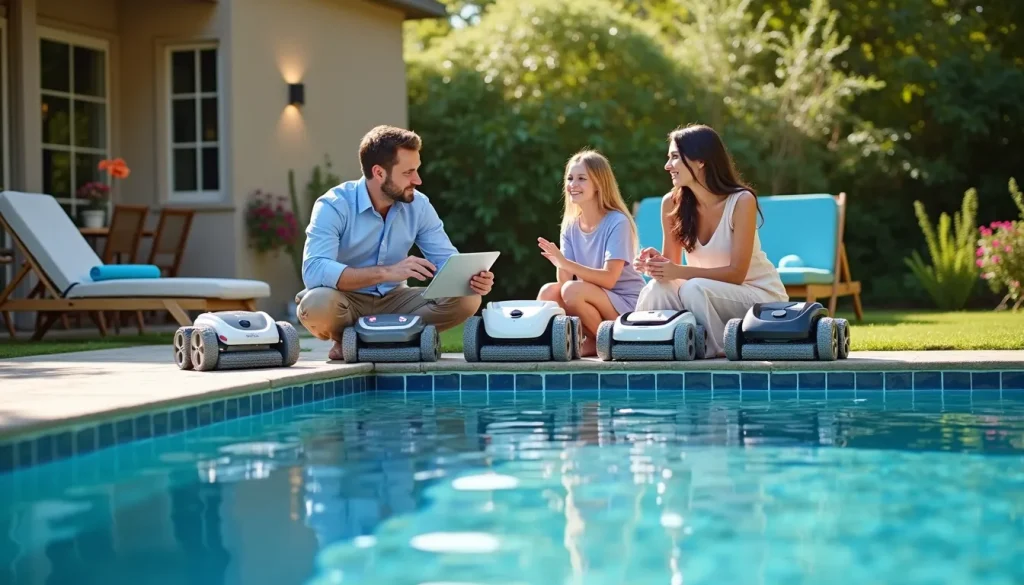
While manual vacuuming and brushing are important, automatic pool cleaners can be a great addition to your cleaning routine. They can help maintain cleanliness between manual cleanings, especially useful for busy Miami Beach pool owners.
There are three main types of automatic cleaners: suction-side, pressure-side, and robotic. Each has its advantages, so consider your pool’s specific needs when choosing.
Proper water chemistry goes hand in hand with vacuuming and brushing. Balanced water makes cleaning more effective and prevents issues like algae growth.
Miami Beach’s water can be hard, which might affect your pool’s chemistry. Regular testing and adjusting of your pool’s pH and chlorine levels are crucial.
As a coastal city, Miami Beach is environmentally conscious. Consider using eco-friendly cleaning methods and products to minimize your pool’s environmental impact.
When vacuuming, be mindful of water usage. Proper technique can help you clean effectively without wasting water, an important consideration in water conservation efforts.

Miami’s climate can lead to specific pool problems. Addressing these promptly with proper vacuuming and brushing can prevent them from becoming major issues.
Algae thrive in warm, humid conditions. Regular brushing, especially in corners and on steps, is key to preventing algae blooms.
Miami’s lush vegetation means leaf debris is common in pools. Vacuuming leaves promptly prevents staining and reduces the burden on your pool’s filtration system.
While regular DIY maintenance is important, sometimes professional help is needed. Miami Beach has many experienced pool service providers who can handle deep cleaning or address complex issues.
If you’re struggling with persistent problems or don’t have time for regular maintenance, consider hiring a professional pool service. They can ensure your pool stays in top condition year-round.
Keeping your cleaning equipment in good condition is not just about efficiency—it’s also about safety. Regularly inspect your tools for wear and tear.
Proper storage of your vacuuming and brushing equipment protects it from Miami’s sun and salt air, extending its lifespan and ensuring it’s ready when you need it.
Your pool’s filtration system works hand in hand with your vacuuming and brushing efforts. Understanding how it works can help you clean more effectively.
Regular backwashing of your pool filter is crucial, especially after heavy vacuuming sessions. This keeps your filter working efficiently and extends its life.
Different pool surfaces require different cleaning approaches. Whether you have a tile, concrete, or fiberglass pool, adjust your techniques accordingly.
Tile pools, common in many Miami Beach homes, require gentle brushing to avoid damaging the grout. Use a soft brush and pay attention to the grout lines.
Some Miami Beach pool owners prefer cleaning their pools at night to avoid the heat. While this can be comfortable, ensure you have adequate lighting to clean effectively.
If you choose to clean at night, invest in good pool lighting. This not only helps with cleaning but also enhances the beauty of your pool area.
Keeping your pool clean is easier when everyone does their part. Educate family members and guests about simple steps they can take to keep the pool clean, like showering before swimming.
Post clear, easy-to-read pool rules near your pool area. This can help maintain cleanliness and ensure everyone’s safety.
Using a pool cover can significantly reduce the amount of debris that enters your pool, making vacuuming and brushing easier.
In Miami Beach, look for a cover that can withstand sun exposure and high humidity. A good cover can save you time and effort in pool maintenance.
Miami Beach is known for its vibrant social scene, which often includes pool parties. Be prepared to clean more thoroughly before and after hosting events.
Have a skimmer net handy during parties to quickly remove any debris that falls into the pool. This prevents stains and makes post-party cleaning easier.
While Miami Beach enjoys warm weather year-round, there are still seasonal considerations for pool maintenance.
Even in Miami’s mild winters, pool care is important. Regular vacuuming and brushing help maintain water quality during cooler months when the pool might be used less frequently.
Sometimes, you might encounter problems while vacuuming. Understanding common issues and how to solve them can make your cleaning routine smoother.
If your vacuum loses suction, check for clogs in the hose or vacuum head. Clearing these blockages usually solves the problem.
Stay informed about the latest in pool cleaning technology. New tools and methods can make maintaining your Miami Beach pool easier and more efficient.
Consider investing in smart pool cleaners that can be controlled via smartphone apps. These can be especially useful for busy Miami Beach residents.

Proper pool cleaning can actually help reduce energy costs. A clean pool puts less strain on pumps and filters, leading to lower electricity usage.
Run your pool pump during off-peak hours to save on energy costs. This is often at night, which can align well with evening cleaning sessions.
Keeping a log of your vacuuming and brushing routines can help you track the effectiveness of your maintenance schedule and make adjustments as needed.
There are several apps available that can help you track your pool maintenance. These can be particularly useful for managing your pool care routine in Miami Beach’s variable climate.
Being mindful of the environmental impact of pool cleaning is important, especially in a coastal city like Miami Beach.
Look for biodegradable and environmentally friendly pool cleaning products. These can be just as effective while being kinder to the local ecosystem.
Miami Beach’s hurricane season requires special preparation. Proper cleaning before a storm can prevent damage and make post-storm cleanup easier.
Create a checklist for pre-storm pool preparation, including thorough vacuuming and brushing, to ensure your pool is ready for severe weather.
In Miami Beach’s community-oriented culture, pool maintenance can be a social activity. Consider organizing pool cleaning parties with neighbors or friends who also have pools.
Share tips and tricks with other pool owners in your area. This can lead to better pool care practices throughout the community.
While the primary goal of vacuuming and brushing is cleanliness, these activities also contribute to the overall aesthetics of your pool area.
Regular cleaning not only keeps your pool healthy but also makes it more visually appealing, which is important in style-conscious Miami Beach.
Consistent vacuuming and brushing are key to enjoying a clean, safe, and beautiful pool in Miami Beach. By understanding the unique needs of your pool and the local environment, you can create a maintenance routine that keeps your pool in top condition year-round.
Remember, a well-maintained pool is not just a luxury—it’s an essential part of the Miami Beach lifestyle.
| Pool Type | Recommended Vacuuming Frequency | Brushing Frequency |
|---|---|---|
| Residential | 1-2 times per week | 2-3 times per week |
| Commercial | 3-4 times per week | Daily |
| Salt Water | 1-2 times per week | 2-3 times per week |
| Indoor | Once per week | 1-2 times per week |
| Season | Cleaning Frequency Adjustment | Special Considerations |
|---|---|---|
| Summer (Jun-Aug) | Increase by 30-50% | More frequent skimming due to increased use |
| Hurricane (Jun-Nov) | As needed, focus on pre/post storm | Prepare for sudden debris influx |
| Winter (Dec-Feb) | Reduce by 20-30% | Monitor for algae growth in cooler temps |
| Spring (Mar-May) | Gradual increase to summer levels | Check for pollen accumulation |
