
Commercial pool maintenance is a critical aspect of running a successful aquatic business in Miami Beach. Keeping your pool clean, safe, and inviting requires consistent effort and attention to detail. This article will guide you through the essential steps of commercial pool maintenance, tailored specifically for Miami Beach pool owners and operators.
Miami Beach’s tropical climate presents unique challenges for commercial pool maintenance. The warm, humid air and frequent rainfall can affect pool chemistry and encourage algae growth. Salt air from the ocean can also impact pool equipment and surfaces.
The high humidity in Miami Beach can lead to increased water evaporation from pools. This means you’ll need to monitor water levels more frequently and top up as needed. Rainfall can dilute pool chemicals, so it’s important to test and adjust chemical levels after heavy rain.
Algae thrive in warm, sunny environments like Miami Beach. Regular brushing of pool walls and floors, along with proper chemical treatment, is essential to prevent algae blooms. Using algaecides as part of your maintenance routine can help keep your pool crystal clear.
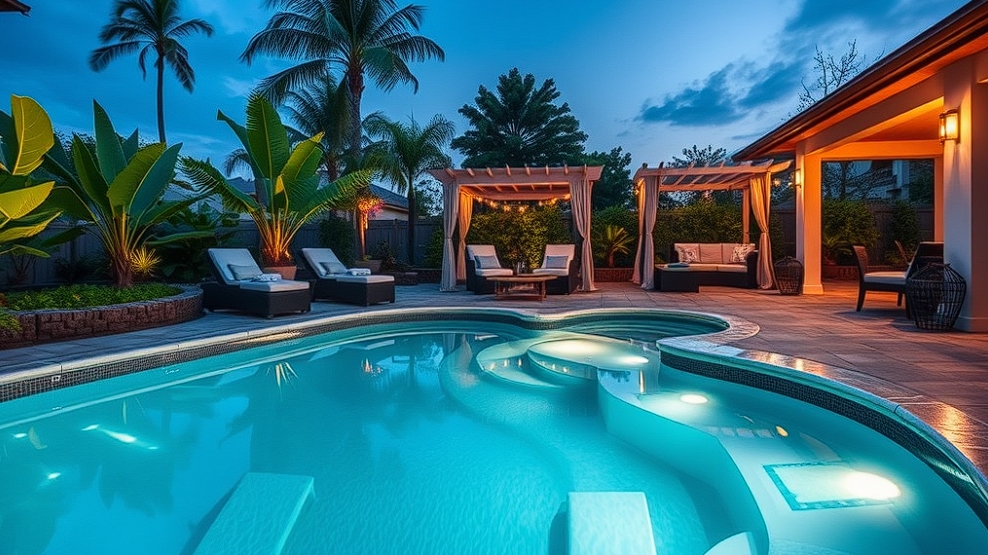
Daily maintenance is the backbone of a well-kept commercial pool. These tasks should be performed every day, regardless of pool usage.
Start each day by skimming the pool surface to remove leaves, insects, and other debris. This not only improves the pool’s appearance but also prevents these materials from sinking and clogging the filtration system.
Miami Beach’s heat can cause significant water evaporation. Check water levels daily and add water as needed to ensure proper circulation and skimmer function.
Use a reliable testing kit to check chlorine and pH levels daily. Adjust chemicals as needed to maintain safe and comfortable swimming conditions.
In addition to daily tasks, certain maintenance procedures should be performed weekly to ensure optimal pool conditions.
Thoroughly vacuum the pool floor and walls at least once a week. This removes dirt and debris that daily skimming might miss.
Brush the pool walls, steps, and other surfaces weekly to prevent algae growth and remove any buildup of contaminants.
Depending on pool usage and debris load, backwash your sand or DE filter weekly or when the pressure gauge indicates it’s necessary.

Monthly maintenance tasks help prevent long-term issues and keep your pool in top condition.
Once a month, perform a more thorough cleaning of the pool. This includes vacuuming hard-to-reach areas and paying extra attention to corners and steps.
Check all pool equipment, including pumps, filters, and heaters, for signs of wear or malfunction. Address any issues promptly to prevent more serious problems.
While you should check basic chemical levels daily, a more comprehensive water test should be done monthly. This includes checking alkalinity, calcium hardness, and cyanuric acid levels.
Miami Beach’s climate doesn’t have extreme seasonal changes, but there are still some seasonal considerations for pool maintenance.
Hurricane season in Miami Beach runs from June to November. Prepare your pool by having a plan to lower water levels quickly if needed and securing loose equipment.
Miami Beach experiences fluctuations in tourist numbers throughout the year. Be prepared to adjust your maintenance routine during peak seasons when pool usage may increase significantly.
While regular maintenance can be handled by staff, professional pool services play a crucial role in commercial pool upkeep.
Professional pool services have the expertise to manage complex chemical balances, ensuring your pool stays safe and compliant with health regulations.
Professionals can perform more advanced maintenance on pool equipment, potentially extending its lifespan and preventing costly breakdowns.
Commercial pools in Miami Beach must comply with strict health and safety regulations. Professional services can help ensure your pool meets all necessary standards.
Maintaining proper water quality is perhaps the most critical aspect of commercial pool maintenance.
Pool operators should have a solid understanding of basic pool chemistry, including the roles of chlorine, pH, alkalinity, and stabilizers.
Establish a regular water testing schedule that includes both on-site testing and periodic lab analysis for more comprehensive results.
Be prepared to address common issues like cloudy water, algae growth, and chlorine lock. Quick identification and treatment of these problems is essential.
A well-maintained filtration system is crucial for keeping pool water clean and clear.
Understand the type of filtration system your pool uses – sand, DE, or cartridge – and its specific maintenance requirements.
Regularly clean your filter media according to manufacturer recommendations. Replace sand or cartridges as needed to maintain optimal filtration.
Keep an eye on your filter’s pressure gauge. An increase in pressure often indicates it’s time for cleaning or backwashing.
The area around your pool is just as important as the pool itself for safety and aesthetics.
Clean and sanitize the pool deck regularly to prevent the spread of bacteria and reduce the risk of slips and falls.
Ensure that the pool deck has proper drainage to prevent standing water, which can be a safety hazard and breeding ground for mosquitoes.
Regularly inspect the pool deck for cracks or damage that could pose a safety risk. Address any issues promptly to prevent accidents.
Implementing energy-efficient practices can significantly reduce operating costs for commercial pools.
Consider upgrading to variable-speed pumps, which can significantly reduce energy consumption compared to traditional single-speed pumps.
Adjust pump run times based on pool usage and season. Running pumps for shorter periods during off-peak hours can lead to substantial energy savings.
Using pool covers when the pool is not in use can reduce evaporation, chemical loss, and heating costs.
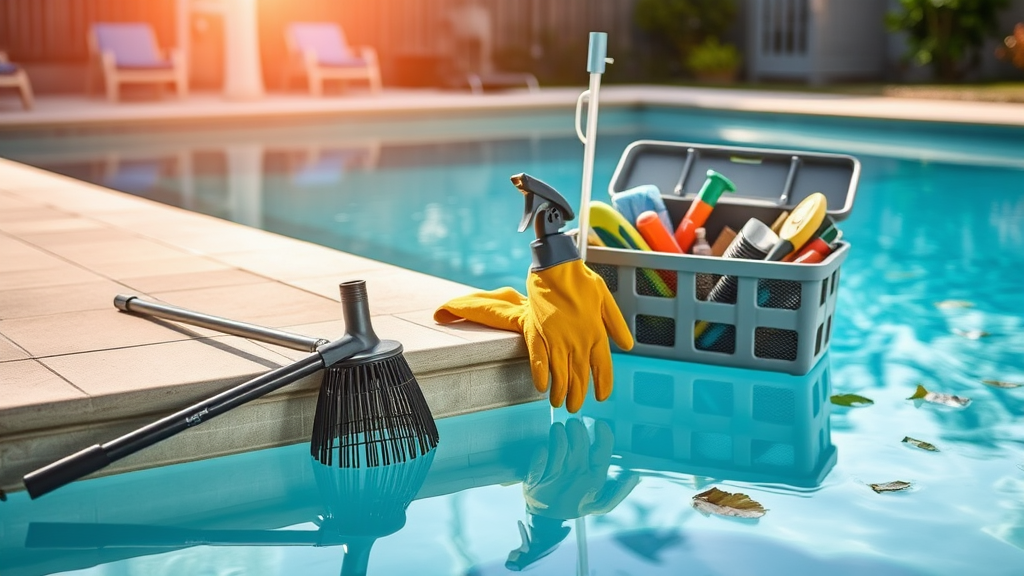
Safety should always be a top priority in commercial pool maintenance.
Ensure all required safety signs are in place and clearly visible. This includes depth markers, no diving signs, and rules for pool use.
Regularly inspect and maintain all safety equipment, including life rings, reach poles, and first aid kits.
Ensure all staff members are trained in basic pool safety, first aid, and emergency procedures.
Proper record-keeping is essential for commercial pool maintenance and compliance.
Keep detailed records of all chemical treatments and water tests. This information can be crucial for troubleshooting issues and demonstrating compliance with health regulations.
Document all equipment maintenance, repairs, and replacements. This can help track equipment performance and plan for future upgrades.
Maintain a system for recording any incidents or accidents that occur in or around the pool. This information can be valuable for improving safety measures and addressing potential liability issues.
Effective budgeting is crucial for maintaining a commercial pool without breaking the bank.
Create a detailed budget that includes regular maintenance tasks, chemical costs, equipment repairs, and potential upgrades.
Set aside funds for major repairs or upgrades that may be needed in the future, such as resurfacing or equipment replacement.
Evaluate the cost-effectiveness of professional maintenance contracts versus handling maintenance in-house.
There may be times when you need to close your commercial pool, whether for maintenance or due to unforeseen circumstances.
Learn the correct procedures for shutting down your pool, including draining (if necessary), winterizing equipment, and securing the area.
Develop a comprehensive checklist for reopening your pool, including equipment checks, chemical balancing, and safety inspections.
Have a plan in place for communicating pool closures and reopenings to your patrons, including estimated timelines and any necessary precautions.
The pool industry is constantly evolving, with new technologies, best practices, and regulations emerging regularly.
Encourage pool operators to pursue continuing education opportunities, such as attending industry conferences or obtaining certifications.
Stay informed about any changes to local health department regulations or building codes that may affect your pool operations.
Keep an eye on new technologies in pool maintenance and consider implementing those that can improve efficiency or safety.
| Maintenance Task | Frequency | Importance |
|---|---|---|
| Water Testing | Daily | High |
| Skimming | Daily | Medium |
| Vacuuming | Weekly | Medium |
| Filter Backwash | Weekly | High |
| Comprehensive Chemical Balance | Monthly | High |
| Equipment Inspection | Monthly | High |
| Deep Cleaning | Monthly | Medium |
| Safety Equipment Check | Monthly | High |
| Chemical | Ideal Range | Testing Frequency |
|---|---|---|
| Chlorine | 1-3 ppm | Daily |
| pH | 7.2-7.8 | Daily |
| Alkalinity | 80-120 ppm | Weekly |
| Calcium Hardness | 200-400 ppm | Monthly |
| Cyanuric Acid | 30-50 ppm | Monthly |
Key steps for reopening a commercial pool after closure:
Sources
Commercial pool maintenance in Miami Beach requires dedication, knowledge, and attention to detail. By following these guidelines and staying on top of daily, weekly, and monthly tasks, you can ensure that your pool remains safe, clean, and inviting for all your patrons.
Remember, a well-maintained pool is not just about aesthetics – it’s about providing a safe and enjoyable experience for your customers while complying with all necessary regulations. With proper care and management, your commercial pool can be a valuable asset to your business and a source of enjoyment for countless visitors to Miami Beach.
Contact us to learn more about how we can keep your pool in prestine condition!
