
Equipment checks and maintenance are essential for keeping your Miami Beach pool in top condition. Regular inspections and upkeep of pool equipment not only ensure safety but also improve efficiency and longevity.
Let’s dive into the importance of equipment checks and maintenance for your pool.

In the sunny climate of Miami Beach, pool equipment works hard year-round. The constant use and exposure to elements make regular checks crucial. Equipment checks help spot potential issues before they become major problems.
Pool pumps, filters, and heaters are the heart of your pool system. When these components are working properly, your pool stays clean and comfortable. Regular checks can catch small issues like loose connections or worn parts early on.
Miami Beach’s salt air can be tough on pool equipment. Corrosion can set in quickly if left unchecked. By performing routine inspections, you can protect your investment and avoid costly replacements.
Maintaining your pool equipment doesn’t have to be complicated. Start with a visual inspection of all visible parts. Look for any signs of wear, leaks, or damage. This simple step can often reveal issues that need attention.
Cleaning is a big part of maintenance. Skimmer baskets and pump strainers should be emptied regularly. This prevents debris from clogging the system and reduces strain on the pump.
Checking water levels is another simple but important task. Low water can cause pumps to run dry, leading to damage. Make sure your pool water is at the right level, typically halfway up the skimmer opening.
Safety should always be the top priority when it comes to pool equipment. Faulty equipment can lead to accidents or injuries. Regular checks help ensure everything is working as it should.
Inspect electrical connections for any signs of wear or damage. Exposed wires or corroded connections can be dangerous, especially around water. If you notice any issues, call a professional immediately.
Check that all safety features are in place and working. This includes drain covers, which prevent entrapment. Make sure they’re secure and not cracked or broken.
While some maintenance tasks can be done by pool owners, others require professional expertise. Miami Beach pool services can provide thorough equipment checks and maintenance.
Professional technicians have the tools and knowledge to spot issues that might not be obvious to the untrained eye. They can also perform more complex maintenance tasks safely and efficiently.
For DIY enthusiasts, there are still plenty of checks you can do yourself. Regularly testing water chemistry, cleaning out baskets, and visually inspecting equipment are all important tasks you can handle.

Miami Beach’s climate means pools are used year-round, but different seasons can affect your equipment differently. During hurricane season, it’s important to secure loose equipment and check that everything is properly anchored.
In the hotter months, equipment works harder to keep pools cool and clean. More frequent checks may be needed during this time to ensure everything is running smoothly.
Even in winter, when temperatures are milder, regular maintenance is important. This is a good time to schedule more thorough equipment inspections and repairs if needed.
Proper water chemistry isn’t just about swimmer comfort—it also affects your equipment. Imbalanced water can cause corrosion or scale buildup on pool equipment.
Test your water regularly and adjust chemicals as needed. This helps protect your equipment from damage and extends its lifespan.
Pay special attention to salt levels if you have a saltwater pool. Too much salt can be corrosive to equipment, while too little can make the chlorine generator less effective.
Some equipment issues are more common in Miami Beach due to the local climate and conditions. Salt air can cause corrosion on metal parts, so regular checks for rust are important.
High humidity can lead to issues with electrical components. Make sure all electrical parts are properly sealed and protected from moisture.
Algae growth can be a problem in warm, humid climates. This can clog filters and strain pumps. Regular cleaning and proper chemical balance help prevent these issues.
While regular maintenance might seem like an added expense, it can save money in the long run. Catching and fixing small issues early prevents them from becoming major, costly problems.
Well-maintained equipment runs more efficiently, which can lower energy bills. This is especially important in Miami Beach, where pools are used frequently.
Regular maintenance can also extend the life of your pool equipment. This means you’ll need to replace expensive components less often.
Energy efficiency is a growing concern for many pool owners. Well-maintained equipment uses less energy to operate, which is good for both your wallet and the environment.
Check for and fix any leaks in your system. Even small leaks can cause pumps to work harder, using more energy.
Consider upgrading to energy-efficient equipment when it’s time for replacements. Modern pool pumps and heaters are often much more efficient than older models.
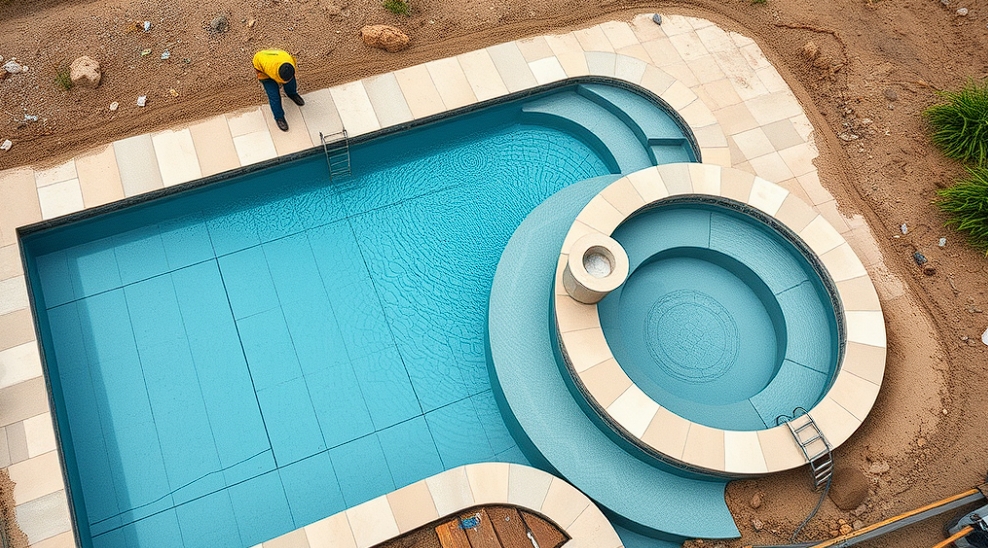
Filters are crucial for keeping your pool water clean and clear. Regular maintenance of your filter system is essential for its performance and longevity.
Different types of filters (sand, cartridge, or DE) have different maintenance needs. Make sure you know what type of filter you have and how to care for it properly.
Backwashing sand and DE filters regularly helps keep them working efficiently. For cartridge filters, regular cleaning and occasional replacement of the cartridges is necessary.
Your pool pump is often called the heart of your pool system, and for good reason. It keeps water circulating, which is essential for proper filtration and chemical distribution.
Listen for any unusual noises coming from your pump. Grinding or squealing sounds can indicate that bearings need to be replaced.
Check the pump basket regularly and clean out any debris. A clogged basket can strain the pump motor and reduce efficiency.
Even in Miami Beach’s warm climate, pool heaters are important for maintaining comfortable water temperatures year-round. Regular maintenance keeps them working efficiently.
Check for any signs of corrosion or damage to the heater’s exterior. Address any issues promptly to prevent more serious problems.
Make sure the area around your heater is clear of debris and has proper ventilation. This helps the heater operate safely and efficiently.
Pool automation systems can make maintenance easier and more efficient. These systems can control pumps, heaters, and chemical feeders automatically.
Regular checks of your automation system ensure it’s working correctly. This includes verifying that timers are set correctly and all components are communicating properly.
While automation can handle many tasks, it doesn’t replace the need for regular visual inspections and professional maintenance.
Saltwater pools have become popular in Miami Beach, but they require specific maintenance. The salt chlorine generator needs regular checks to ensure it’s producing the right amount of chlorine.
Check salt levels regularly and adjust as needed. Too little salt can reduce chlorine production, while too much can damage pool surfaces and equipment.
Inspect the cell of the salt chlorinator for scale buildup. Clean it according to the manufacturer’s instructions to maintain efficiency.
Pool lighting is important for both safety and atmosphere. Regular maintenance ensures your pool is well-lit for evening swims.
Check for any flickering or dim lights, which can indicate a problem. Make sure all electrical connections are secure and protected from water.
Consider upgrading to LED pool lights if you haven’t already. They’re more energy-efficient and often last longer than traditional bulbs.
Proper storage of pool chemicals is crucial for both safety and effectiveness. Miami Beach’s humid climate can affect chemical storage.
Store chemicals in a cool, dry place away from direct sunlight. Make sure the storage area is well-ventilated to prevent the buildup of fumes.
Keep chemicals in their original containers and clearly labeled. Never mix different chemicals, as this can create dangerous reactions.
Don’t forget about the equipment around your pool. Ladders, diving boards, and slides also need regular checks and maintenance.
Inspect these items for any signs of wear, rust, or damage. Tighten any loose bolts or screws.
Clean deck equipment regularly to prevent the buildup of algae or bacteria, which can make surfaces slippery and unsafe.
Keeping good records of your equipment checks and maintenance can help you stay on top of your pool’s needs. It can also help identify patterns or recurring issues.
Use a simple logbook or digital app to track when you perform maintenance tasks and any issues you find.
Having a record of your pool’s maintenance history can also be helpful if you ever need to make an insurance claim or sell your property.
While many maintenance tasks can be done by homeowners, some situations require professional help. Know when it’s time to call in an expert.
If you notice any electrical issues or problems with major equipment like pumps or heaters, it’s best to call a professional. These can be dangerous to handle without proper training.
Consider having a professional pool service perform a thorough equipment check at least once a year. They can spot potential issues you might miss and provide more in-depth maintenance.
| Equipment | Check Frequency | Common Issues | Maintenance Tips |
|---|---|---|---|
| Pump | Weekly | Noise, leaks | Clean basket, check for clogs |
| Filter | Monthly | Pressure issues | Backwash or clean cartridges |
| Heater | Seasonally | Ignition problems | Check for corrosion, clear debris |
| Lighting | Monthly | Dim or flickering | Check connections, replace bulbs |
| Automation | Quarterly | Timing errors | Verify settings, update software |
| Chemical | Ideal Level | Testing Frequency | Adjustment Method |
|---|---|---|---|
| Chlorine | 1-3 ppm | 2-3 times/week | Add chlorine or shock |
| pH | 7.2-7.6 | Weekly | Add pH increaser or decreaser |
| Alkalinity | 80-120 ppm | Monthly | Add alkalinity increaser |
| Stabilizer | 30-50 ppm | Monthly | Add cyanuric acid |
Here’s a quick checklist for weekly pool maintenance:
By following these guidelines and maintaining a regular schedule of equipment checks and maintenance, you can ensure your Miami Beach pool stays safe, clean, and enjoyable all year round.
Remember, a little preventive care goes a long way in avoiding major issues and keeping your pool in top condition. For more information, you can visit our website or contact us
