
Regular pool inspections are essential for maintaining a safe and enjoyable swimming environment. These inspections help identify potential issues before they become major problems, ensuring your pool stays in top condition year-round. By scheduling routine checks, you can save money on repairs, extend the life of your pool equipment, and create a healthier swimming space for your family and friends.
Regular pool inspections are not just a good idea – they’re a necessity for any pool owner in Miami Beach. The warm Florida climate means pools get heavy use year-round, which can lead to faster wear and tear on equipment and surfaces. By having your pool inspected regularly, you can catch small issues before they turn into big, expensive problems.
One of the main benefits of regular pool inspections is avoiding costly repairs down the line. A small crack in the pool surface or a minor leak in the plumbing can quickly turn into a major headache if left unchecked. During an inspection, a professional can spot these issues early and recommend repairs before they get worse.
Water quality is crucial for a safe and enjoyable swimming experience. Regular inspections include water testing to check pH levels, chlorine content, and other important factors. This helps prevent issues like algae growth, skin irritation, and waterborne illnesses. Safety features like pool covers, fences, and drain covers are also checked to make sure they’re working properly.
Pool equipment like pumps, filters, and heaters work hard to keep your pool clean and comfortable. Regular inspections can help identify when these components need maintenance or replacement, which can extend their lifespan and save you money in the long run.
When you schedule a pool inspection with a professional service like Flamingo Blue Pools, you can expect a thorough examination of your entire pool system. Here’s what typically happens during an inspection:
The inspector will start by looking at the overall condition of your pool. This includes checking for cracks, chips, or other damage to the pool surface, tiles, and decking. They’ll also inspect the waterline tiles for signs of calcium buildup or staining.
Next, the inspector will examine all of your pool equipment. This includes the pump, filter, heater, and any automated systems you might have. They’ll check for leaks, unusual noises, and signs of wear and tear.
A crucial part of any pool inspection is testing the water quality. The inspector will take samples of your pool water and test for proper pH levels, chlorine content, and other chemical balances. They’ll also check for any signs of algae or bacteria growth.
Safety is paramount when it comes to pool ownership. The inspector will check all safety features, including fences, gates, pool covers, and drain covers to ensure they meet local safety standards.
The plumbing system is often overlooked by pool owners, but it’s a critical component. The inspector will check for any leaks or blockages in the pipes and ensure that all valves are working correctly.

The frequency of pool inspections can vary depending on several factors, including how often you use your pool, the age of your pool, and local weather conditions. However, as a general rule, here’s a recommended schedule for Miami Beach pool owners:
Monthly inspections are a good idea during the peak swimming season, which in Miami Beach can be year-round. These quick checks can help catch any issues early and ensure your pool stays in top condition.
Every three months, it’s wise to have a more thorough inspection. This allows for a deeper look at your pool’s systems and can help prepare for seasonal changes.
At least once a year, you should schedule a comprehensive inspection. This in-depth check covers every aspect of your pool and can help you plan for any major maintenance or upgrades needed in the coming year.
While some aspects of pool maintenance can be handled by homeowners, professional inspections offer several advantages:
Professional pool inspectors have the training and experience to spot issues that might not be obvious to the average pool owner. They know what to look for and can provide expert advice on maintenance and repairs.
Professional inspectors use specialized tools and equipment to test water quality, check for leaks, and inspect hard-to-reach areas of your pool system.
A thorough pool inspection can be time-consuming. By hiring a professional, you save time and ensure that every aspect of your pool is checked properly.
If an issue is missed during a DIY inspection and leads to an accident, you could be held liable. Professional inspections provide an extra layer of protection and peace of mind.
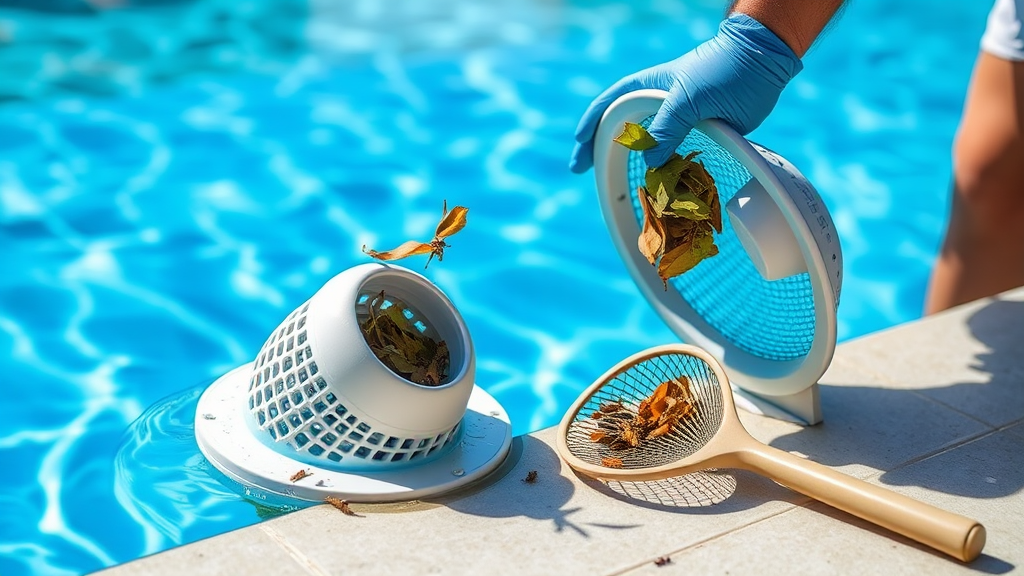
Regular inspections often uncover similar issues across many pools. Here are some of the most common problems found during pool inspections in Miami Beach:
One of the most frequent issues is incorrect water chemistry. This can lead to algae growth, cloudy water, and potential health risks for swimmers.
Pool equipment like pumps and filters work hard, especially in the Miami Beach climate. Inspections often reveal worn-out parts that need replacement.
The constant exposure to water and chemicals can cause cracks in pool surfaces or leaks in the plumbing system. These issues are often caught during routine inspections.
Loose tiles, damaged ladders, or malfunctioning safety equipment are common safety issues that inspections can identify.
Older pool equipment or poorly maintained systems can lead to high energy costs. Inspections can help identify ways to improve energy efficiency.
While regular pool inspections do come with a cost, they’re an investment in the longevity and safety of your pool. Here’s a breakdown of potential costs and savings:
| Inspection Type | Average Cost | Potential Savings |
|---|---|---|
| Monthly Quick Check | $50 – $100 | Prevents minor issues from becoming major problems |
| Quarterly In-Depth | $150 – $300 | Catches seasonal issues, saves on repair costs |
| Annual Comprehensive | $300 – $500 | Identifies major maintenance needs, extends pool lifespan |
Regular pool inspections can also help improve your pool’s energy efficiency, which is especially important in Miami Beach where pools are used year-round. Here’s how:
| Area of Improvement | Potential Energy Savings |
|---|---|
| Pump Efficiency | Up to 30% reduction in energy use |
| Heating System | 10-20% savings on heating costs |
| LED Lighting | 80% less energy use compared to traditional lights |
| Solar Covers | 50-70% reduction in heating costs |
To get the most out of your pool inspection, there are a few steps you can take:
Once your pool inspection is complete, you’ll receive a detailed report of the findings. This report will typically include:
It’s important to review this report carefully and discuss any questions with your inspector. They can help you prioritize any necessary repairs or maintenance tasks.
While regular inspections are crucial, day-to-day maintenance is also important for keeping your pool in top condition. Here are some tasks you should perform regularly:
When selecting a pool inspection service in Miami Beach, consider the following factors:
As technology advances, pool inspections are becoming more sophisticated. Some emerging trends include:
Regular pool inspections are a vital part of pool ownership in Miami Beach. They help ensure your pool is safe, clean, and efficient, saving you money in the long run and providing peace of mind.
By working with a professional inspection service like Flamingo Blue Pools, you can enjoy your pool with confidence, knowing it’s being properly maintained and cared for. Remember, a well-maintained pool is not just a luxury – it’s an investment in your property and your family’s enjoyment.
